A Small Seed, a Very Long History
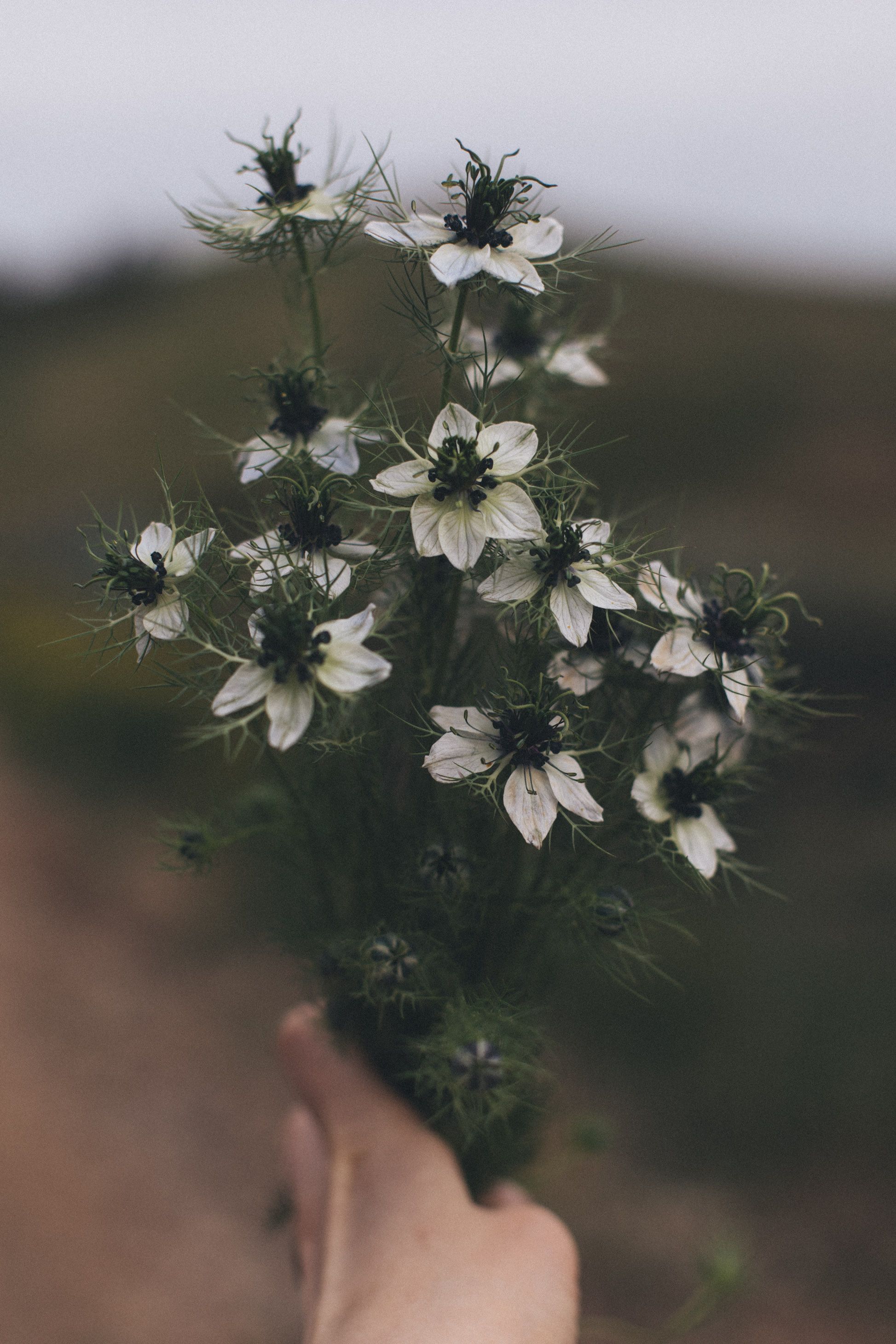
Nigella (Nigella sativa) is an annual herbaceous plant native to Asia Minor and the Mediterranean basin. Its black, angular, faintly aromatic seeds carry a surprising flavour — somewhere between cumin, oregano, and roasted onion. Hard to imagine, at first glance, that this modest plant once fascinated pharaohs, prophets, and the founding fathers of medicine alike.
Its name comes straight from Latin: nigellus, meaning "blackish," referring to the colour of its seeds. The ancient Greeks called it melanthion — from melas (black) and anthos (flower). Two cultures, two languages, one same instinct: name what you see.
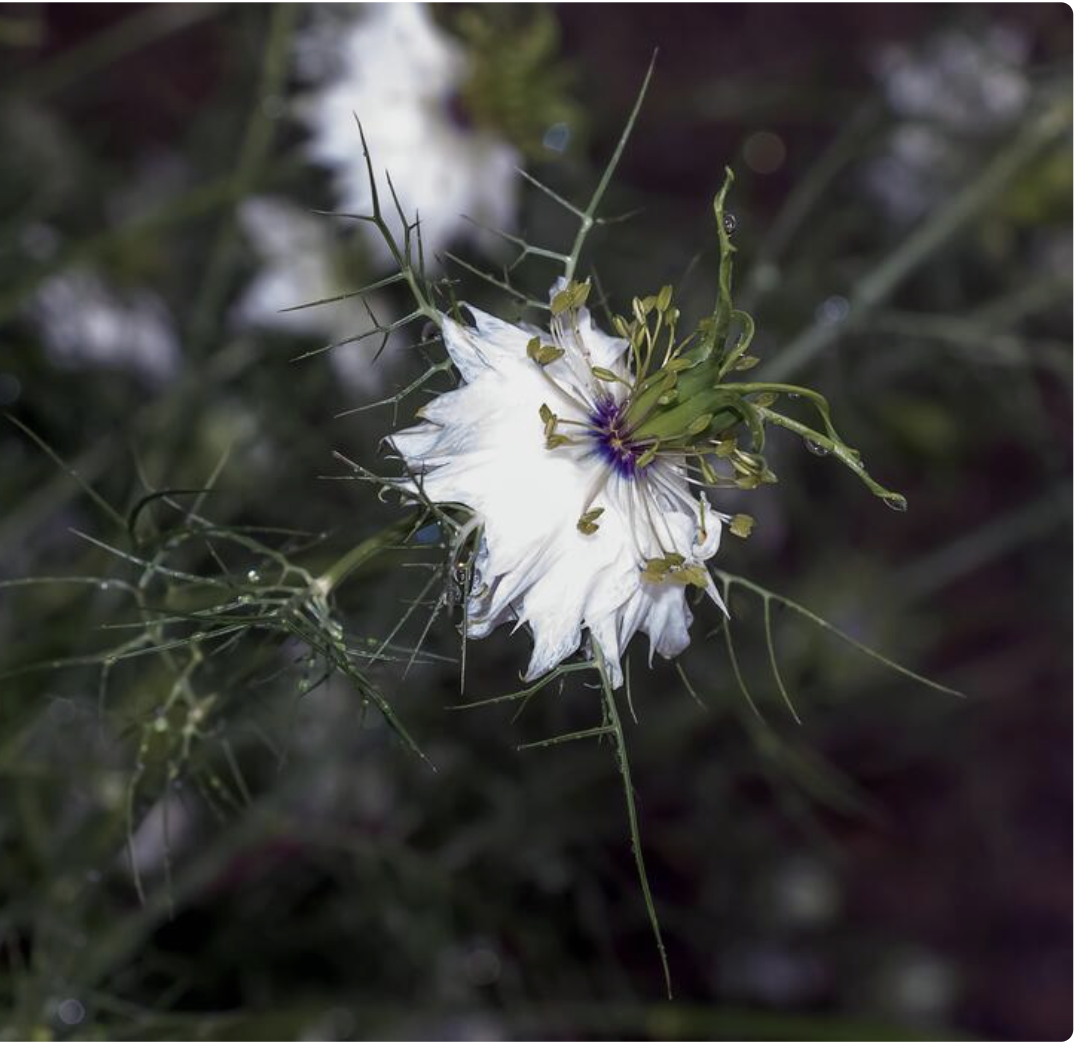
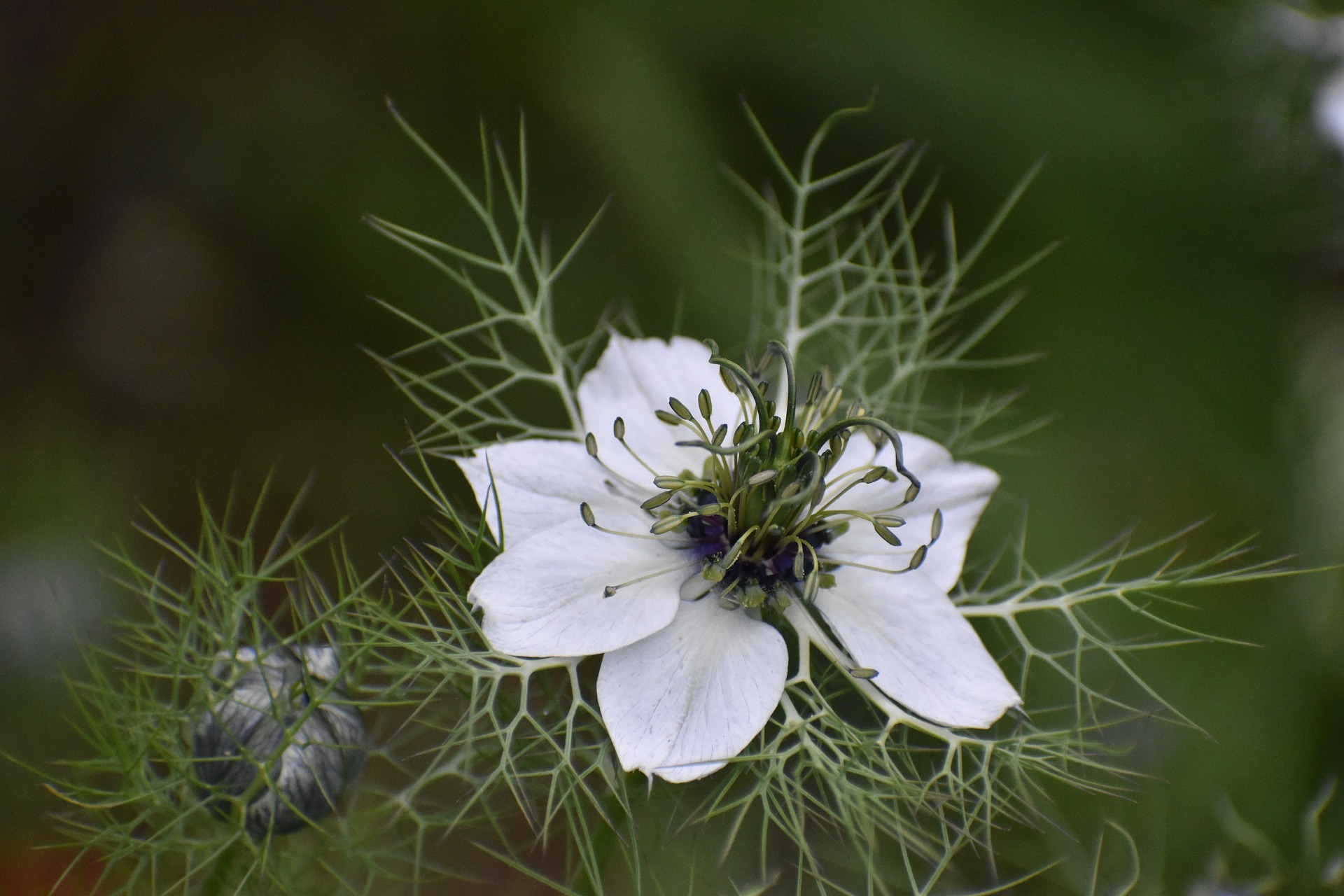
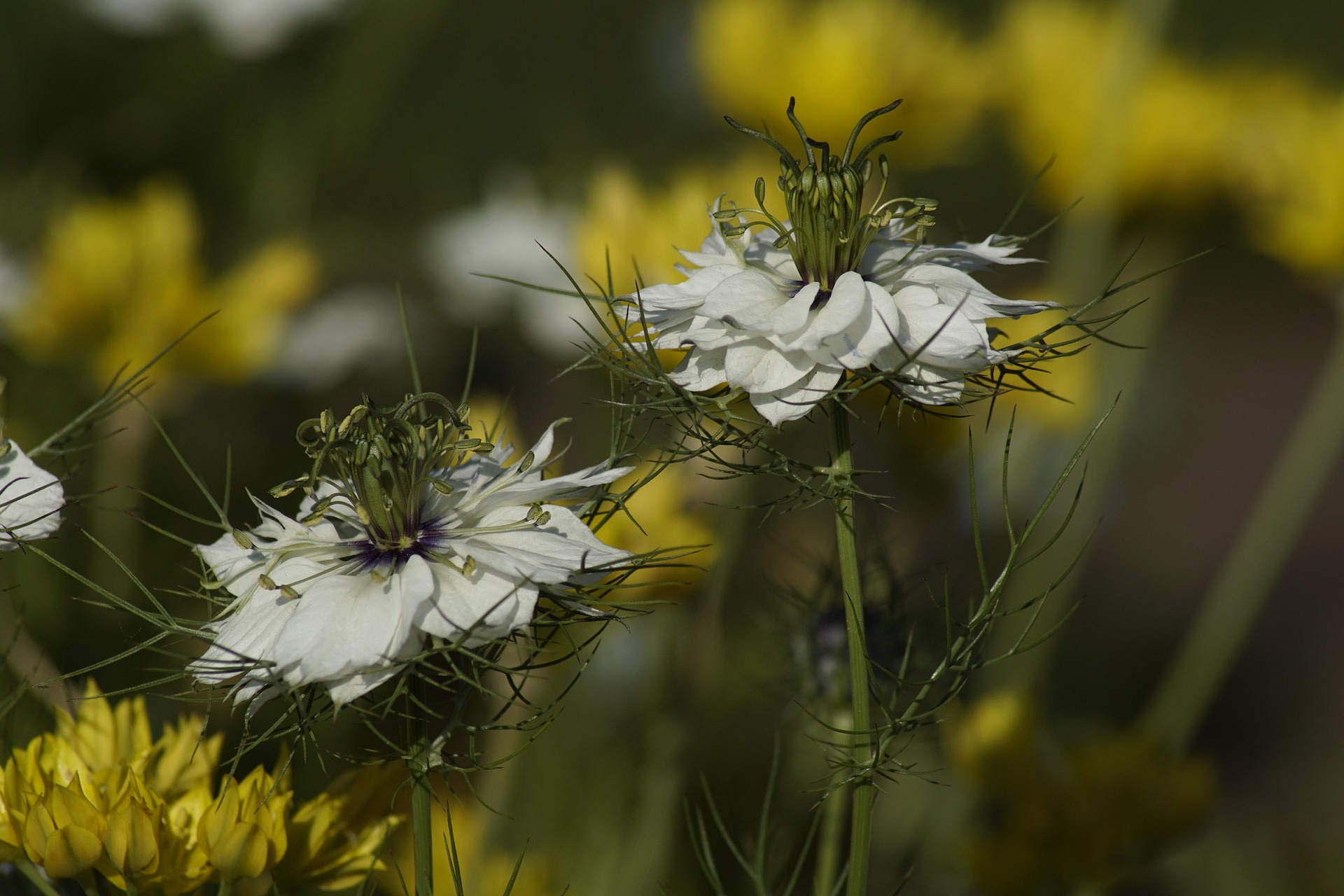
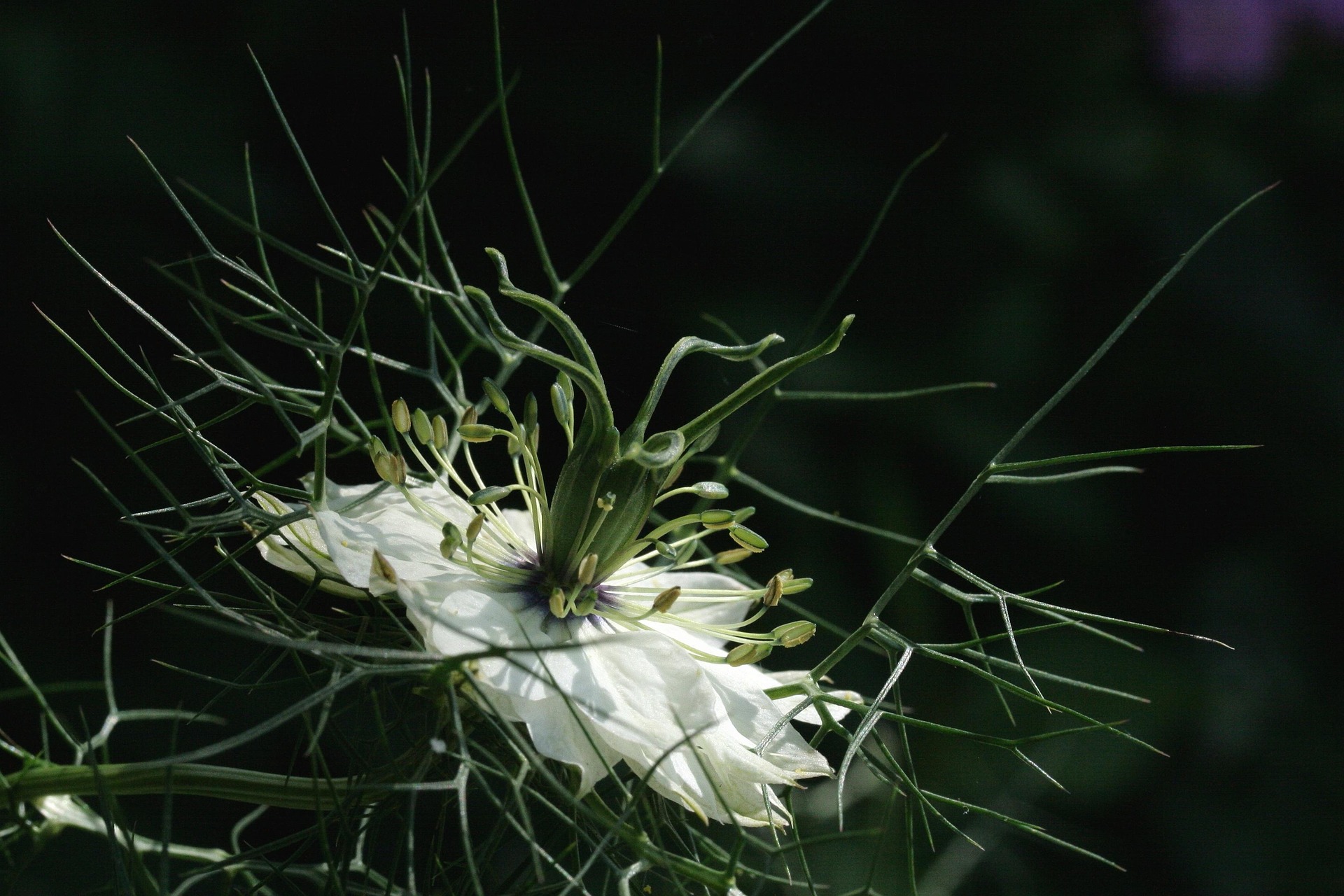
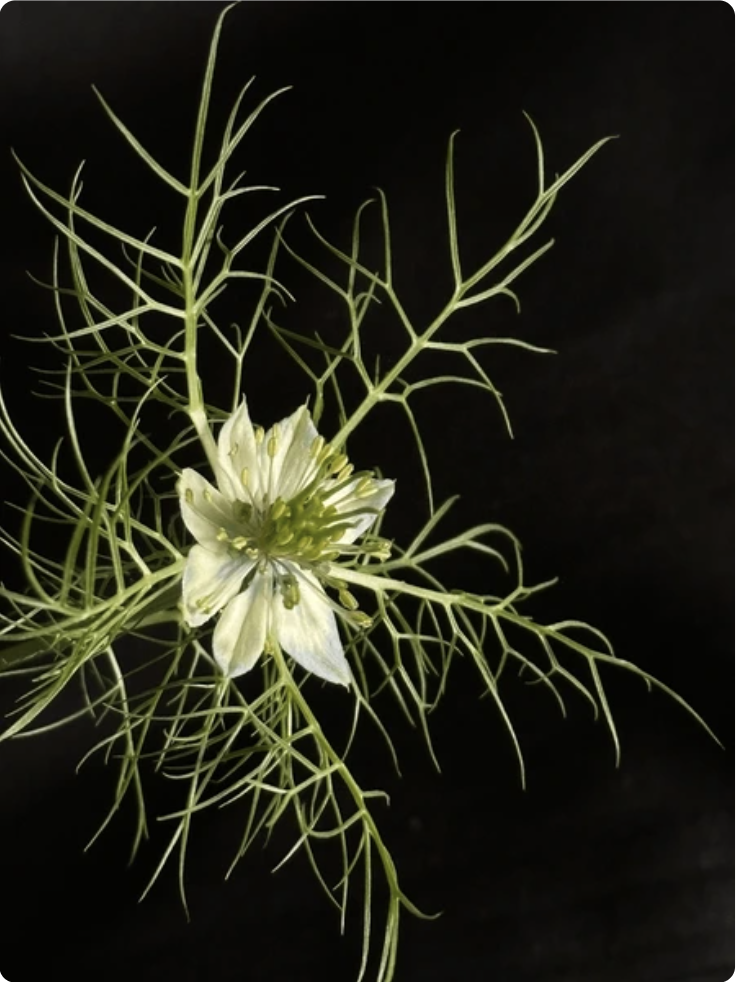
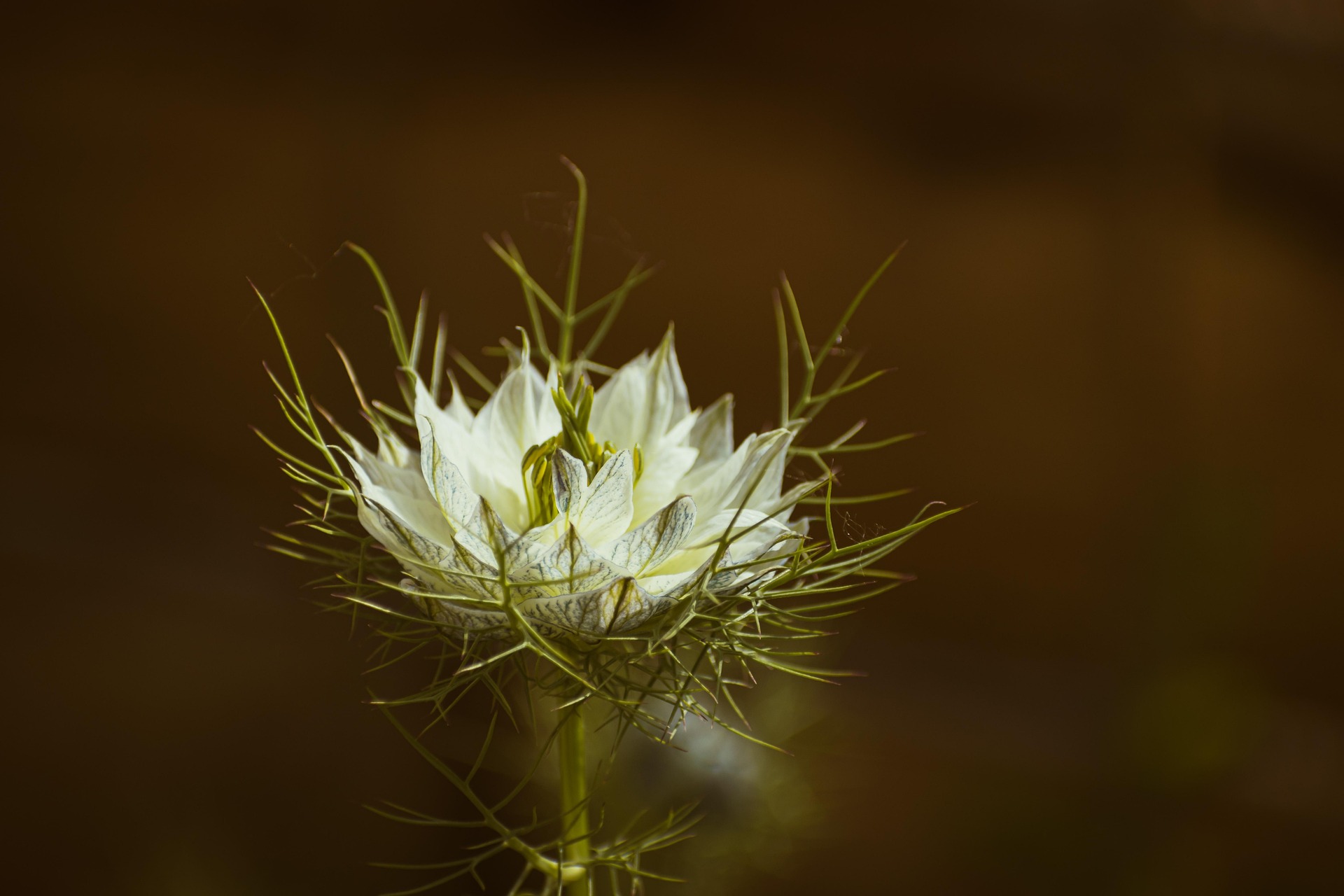
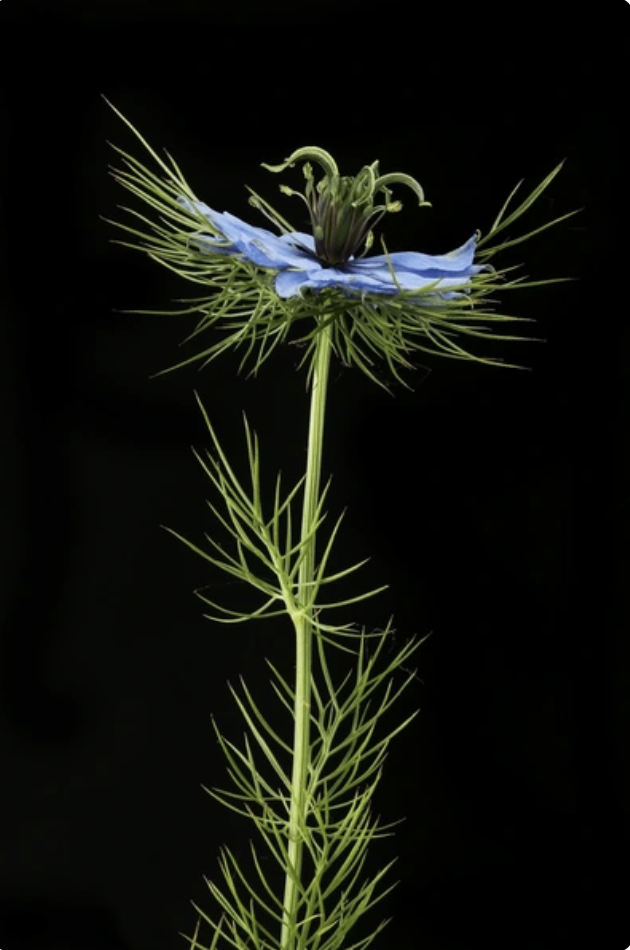
Don't confuse them: Nigella sativa (edible, medicinal) and the Damascus nigella (Nigella damascena), its ornamental cousin with pretty blue flowers — but toxic.
In the Pharaohs' Time: Already in Tutankhamun's Tomb
The most striking evidence of nigella's use dates back to ancient Egypt. Archaeologists discovered nigella seeds inside the tomb of Tutankhamun, testifying to their role in royal burial rituals and everyday life. That such a humble seed would accompany a king into the afterlife speaks volumes about the value it held.
Ancient Greece and Rome: When Physicians Take Notice
It is in ancient Greece that nigella enters the realm of scholarly medicine. Hippocrates (c. 460–377 BC), considered the father of medicine, used it primarily against liver and digestive ailments, and mentions it in his Corpus Hippocratum.
A few centuries later, Dioscorides (40–90 AD), the Greek botanist and pharmacologist whose work served as a reference for nearly fifteen centuries, described nigella as a remedy for headaches, eye conditions, and toothaches. Galen (130–201 AD), another giant of ancient medicine, even recommended burning the seeds to drive away gnats and mosquitoes — a more prosaic use, but no less practical.
In Islamic Tradition: "A Remedy for Every Illness Except Death"
This is probably the most famous quote surrounding nigella. The Prophet Muhammad is reported to have said:
"Treat yourselves with the black seed, for it is a remedy for every illness except death." — Hadith from Islamic tradition
This recommendation durably embedded nigella in medieval Arab-Islamic medicine. Avicenna (Ibn Sina, 980–1037), the most celebrated physician of the Islamic world, incorporated it into his encyclopaedic Qanûn (Canon of Medicine) — a reference work that influenced European medicine until the 17th century.
Charlemagne Made It Mandatory on Royal Estates
A detail often overlooked in history books: Nigella sativa is among the plants whose cultivation was expressly ordered by Charlemagne in the Capitulare de Villis, a late 8th-century decree governing the management of royal estates. Nigella was present in Carolingian Europe — not as an exotic curiosity, but as a practical, cultivated plant.
A Plant That Nearly Vanished… Before Making a Comeback
Used continuously from Antiquity through the 18th century, nigella was gradually forgotten in the Western world, displaced by other spices and the rise of modern medicine. But over the past few decades, it has been making a strong comeback — driven by growing interest in traditional medicines and functional spices.
Today, it is cultivated mainly in Egypt, Turkey, India, Pakistan, and Ethiopia. In France and much of Western Europe, it remains rare as a garden plant, but is widely available in seed or oil form.
The Takeaway
Nigella is not a trend. It is a plant thousands of years old, which has crossed Egyptian, Greek, Roman, Islamic, and Carolingian civilisations without truly disappearing. A small black seed, discreet, carrying within it one of the longest histories in the world's pharmacopoeia.
Next article: the current uses of nigella in cooking and herbal medicine.